
How Important Is Page Speed for SEO?
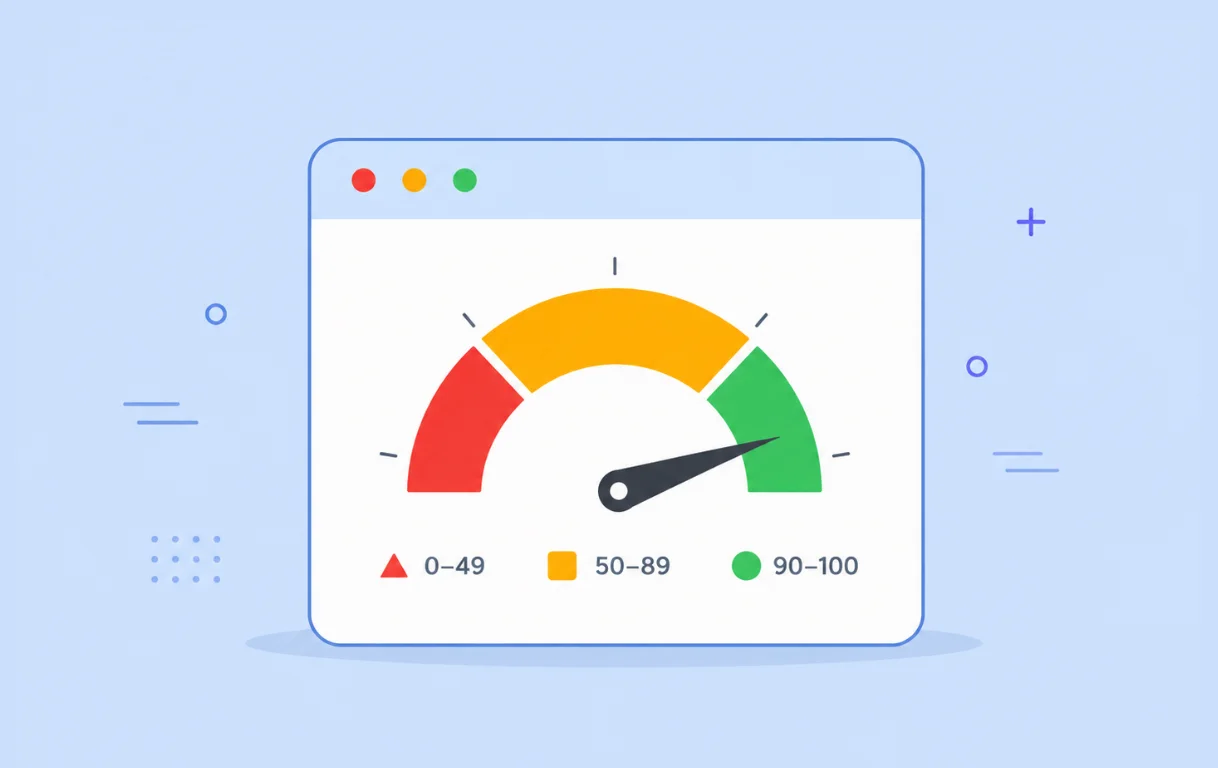
Well, website speed and SEO became a bigger discussion once users started to crave faster online experiences everywhere. This pattern pushed search engines to pay closer attention to page loading speed signals, especially when websites used too much heavy content that slowed browsing and frustrated visitors.
Many website owners probably wondered why rankings and engagement suddenly felt harder to maintain.
Why?
People now expect instant access on every device, and slow performance creates negative signals quickly. In this insight, we’ll explore how page loading speed really affects SEO beyond common myths and scores.
Does Page Speed Really Affect Site SEO?
More than 50% of users leave a site if it takes more than 3 seconds to load, which often leads to bouncing before the content even appears.
Really? Yes, because slow loading creates the worst condition for user experience. As a user, frustration grows quickly, and search engines also adhere to performance signals, even though their impact is still somewhat limited.
How Slow Websites Affect SEO and Users
When a website slows down, it creates a chain reaction that impacts both user behavior and site seo performance through:
Higher Bounce Rates
Higher bounce rates happen more often when a website is running slow, especially in the first few seconds. You might notice users leave before any real content consumption starts because of lack of responsiveness and delays, which directly weakens page speed for seo performance overall.
Lower Engagement and Conversions
Lower user engagement usually occurs when users struggle with slow navigation and delayed interactions. This friction reduces their willingness to explore more content or complete actions, leading to fewer leads, sales, or interactions, even if the content itself is relevant.
Poor Mobile Experience
From an SEO perspective, poor mobile experience becomes a major issue when pages are not optimized for mobile-first indexing. Small delays feel bigger on phones, and users expect blazing fast performance. Without proper optimization, navigation feels heavy, and making mobile visitors abandon the website faster than expected. .
Crawl and Indexing Issues
Crawling issues appear when search engines face delays while accessing pages. Slow response times create limitations in crawling efficiency, meaning fewer pages get indexed properly. This affects visibility and ranking potential because search engines prioritize smooth access and structured, fast-loading website experiences.
Core Web Vitals Explained Simply
Largest Contentful Paint (LCP)
Think of LCP as the moment users finally see the main content appear instead of staring at a blank loading screen.
Interaction to Next Paint (INP)
Interaction to Next Paint checks how fast a website reacts after someone clicks, taps, or interacts with buttons, menus, or forms.
Cumulative Layout Shift (CLS)
It tracks unexpected page movements that annoy users, like buttons or text suddenly jumping while the website finishes loading.
What Actually Makes a Website Speed Slow?
Heavy Images and Videos
Large images and videos force browser resources to work harder than necessary, especially when files are not compressed before uploading online.
Too Many Plugins or Scripts
Sometimes the real problem is useless scripts running quietly in the background, causing extra requests and noticeable slowdown across the entire website experience.
Poor Hosting
Even a beautiful website can feel slow if the server is far away or the hosting service struggles during traffic spikes.
Bloated Themes and Builders
Some themes look modern but come with inflated code, animations, and features nobody will probably ever use, making pages unnecessarily heavy and slow.
The “Good Enough” Speed Strategy
Research recommends focusing on changes that improve real user experience and page loading speed.
Here’s what many website owners miss: a website can probably load faster and rank well without getting perfect 10/10 scores for every important metric. Good technical SEO recommendations help improve performance across different dimensions without making the website feel too static or empty. To understand what actually needs fixing, use tools like PageSpeed Insights and GTmetrix because they show real loading problems, speed issues, and user experience signals clearly.
What Matters More Than Page Speed in SEO?
Search Intent Matching
Here’s the reality: even a fast page can struggle if it misses the actual user intent. Search engines notices how people interact with content very quickly.
Content Depth and Topical Authority
When you plan content properly and cover topic depth with detailed content, readers usually stay longer because the information feels complete and genuinely adds value.
Backlinks and Brand Signals
Google loves relevant brand signals because they help build trust and authority. It's important in new site seo when recognition and mentions are limited.
Helpful Content and Experience
At the end of the day, people-first pages feel more helpful for users. The E-E-A-T framework also values real experience, trust, and useful guidance.
Final Thoughts:
More than 80% of users expect websites to load quickly, so page speed for SEO still matters. But one important fact many people ignore is that a perfect page speed score alone cannot guarantee rankings. The real pattern comes from websites offering useful experiences, strong usability, and valuable page's content. In the end, you need to balance speed, content quality, and real user satisfaction together.