

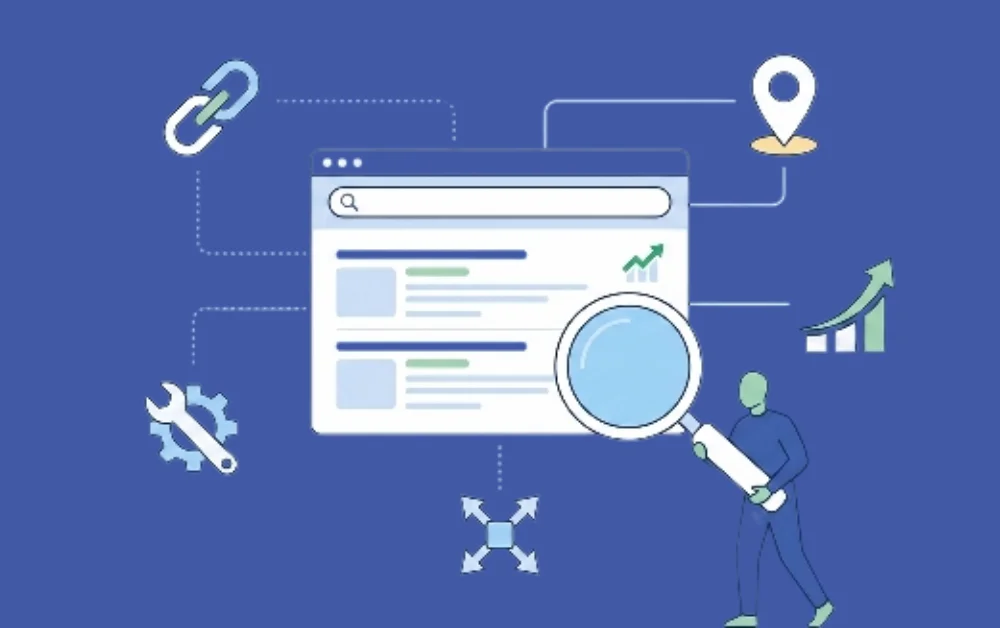
Ranking a new website is a completely different challenge because you're trying to earn trust before visibility. That's why ranking on top search results isn't as instant as many expect.
As far as Google is concerned, a fresh site has no history, so early performance depends heavily on how well your first decisions reflect quality and relevance. Google favors updated content, but only when it's backed by proper research and written to cover all aspects of a real user query.
More often than not, it's poor execution, not competition, that causes rankings to fluctuate. So make sure you're following the right steps from day one. Your structure, content, and internal patterns all need to work together, because even small gaps can affect how search engines evaluate your site in its early phase.
How Do You Rank on Google’s First Page as a New Website?
Ranking on the first page starts with being user-centric, not algorithm-centric, because Google rewards sites that deeply understand what a page needs to solve. Instead of publishing random posts, you must provide information which matches real expectations, especially when AI overviews and bigger brands dominate visibility. You know what's common now is that Google evaluates the intent behind keyword, not just the keyword itself. So many new sites fail because their pages are not fully optimized around real usage signals, which directly affects search engine rankings and visibility in competitive spaces.
The 3 Core Signals Google Needs Before Ranking You
Before Google decides to rank a web page, it weighs three core signals: relevance, experience, and trust, closely tied to what Google calls E-E-A-T (Experience, Expertise, Authoritativeness, Trust). A page earns relevance when it's descriptive, clearly structured, and answers the query directly, without forcing users to search again elsewhere for what they actually came for.
Trust, however, is built differently. It comes from backing your content with credible sources, avoiding duplicate content, and using structured data to help Google understand your page correctly. Get this right, and you're not just improving your odds of ranking, you're also positioning your content to appear in Position Zero or other featured results, where Google pulls answers directly from pages it trusts most, a space that's becoming even more important with the rise of Answer Engine Optimization (AEO) and Generative Engine Optimization (GEO), which focuses on structuring content so AI-driven search results can pull and cite it directly.
Why “More Content” Alone Does Not Work
Publishing too many articles without purpose rarely works, because quantity does not equal authority. Google pays close attention to how users click on results, how long they engage, and whether your content actually matches what your audience is searching for. If a page doesn't align with search intent, even a high volume of new articles will struggle to move the needle on rankings. What actually matters more than word count or article count is relevance, depth, and whether the content genuinely answers the query better than what's already ranking.
What New Websites Should Focus on in the First 90 Days
- In the first 30 days, decide if you are serving beginners or buyers, because mixing both often keeps new sites stuck beyond page one.
- Data shows fewer pages that match search intent move faster than publishing 30 thin posts that never stabilize rankings.
- Sites that monitor Search Console data weekly improve CTR by 15 to 25% within 60 days through small intent adjustments.
- Pages that include descriptive sections and relevant sources tend to gain trust signals faster than content without references.
- Creating 5 to 7 interlinked pages helps Google understand context sooner than isolated articles during the first 90 days.
Must Do # 01 Build SEO Foundations on Day One
Starting from ground up, a new website must focus on fast loading, clean design, and structural clarity. Planning internal linking and noting patterns early ensures your site is ready for top rankings in Google. Don’t forget the basics in your to-do list because performance from day one sets the tone.
Set Up Google Search Console Immediately
It’s a good idea to connect your site to Google Search Console right away to monitor crawlability and detect common improvements. This add-on provides insights on how your audience searches and helps you adjust content early for maximum impact.
Connect Google Analytics & Track the Right Metrics
Tracking metrics from day one allows you to note patterns in user behavior and measure performance from day one. Focus on actionable signals like engagement, clicks, and bounce rates, so you can refine design and structure efficiently without wasting effort.
Must Do # 02 Choose Keywords New Websites Can Actually Rank For
New websites should target long-tail keywords which easily rank on first page instead of chasing highly competitive ones. Ask yourself: do they have search intent that can its satisfy? Focus on keywords that provide a piece of information users actually need and won’t drive no traffic if ignored.
Why High-Volume Keywords Kill New Websites
It’s not that simple to rank for popular keywords, even if they look tempting. The lower the search volume, the higher your chances of early visibility. Real data shows that targeting overly competitive keywords can stall growth more often than that, especially if you’re a fairly new business. Forecasting early wins is more accurate when you focus on transactional or informational intent rather than just numbers.
The “Low Competition, High Intent” Keyword Formula
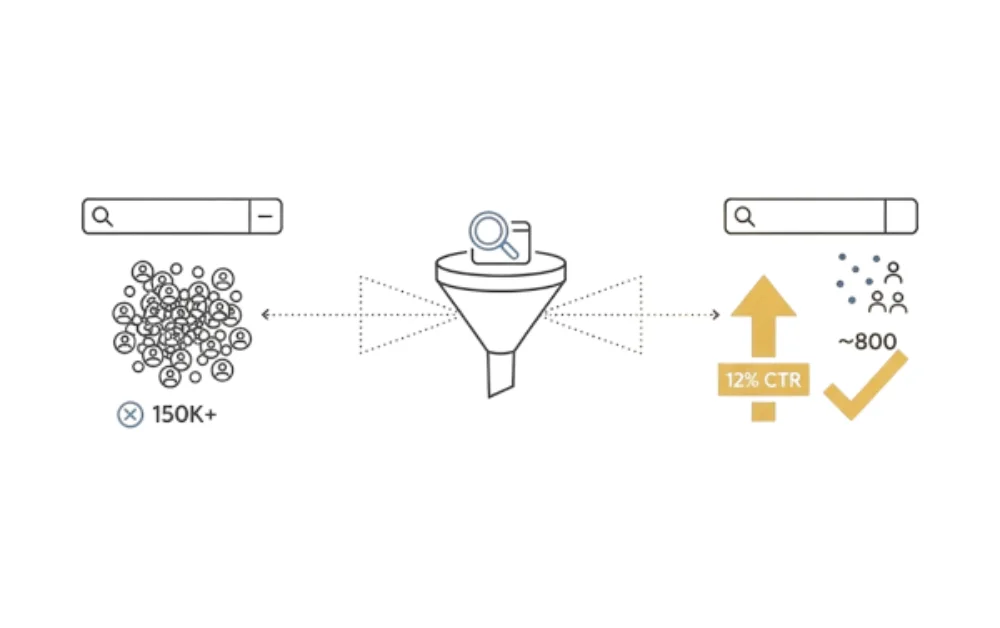
A practical formula: target keywords with <8000 monthly searches > high intent. Ensure the keyword can its satisfy a clear user need and check how real users search. For example, instead of trying to rank for “best writing tools” (>100k searches), a new site can rank for “writing tools for short stories” (~900 searches) and capture clicks >12% of top results, giving early traction and meaningful traffic.
Must DO #03 Create Content That Google Wants to Rank
Quality content that ranks on 1st page requires a reader-first approach combined with proper EEAT signals. Your content must be researched, updated, and clearly optimized for intent, so it can answer actual query effectively. Google looks in your site for helpful content rather than thin or unoriginal pages, so each piece of content should be meaningful and useful content that sets rankings for your new site.
What Makes Content Rich for New Websites
Rich content is 10 out of 10 in usefulness: it is researched, actionable, and directly solves the reader’s problem. Advice that is reader-first and make sense is always better than adding meaningless fluff. Just like a cherry on top, small elements like FAQs, tables, or examples definitely improve your rankings and give Google signals that the page is valuable.
How to Structure One Page to Rank on Page Ones
A more better approach for new site SEO is to create a clear range of headings, subheadings, and bullet points. Start with an intro that answers the query, follow with optimized for intent sections, and end with a summary or actionable advice. Notice everything from meta descriptions to internal links, because small tweaks may be later noticed by Google and help top search results.
For Example: Suppose you run a new blog website about writing tools. Instead of a generic post titled “Writing Tools Overview,” you create a researched guide: “10 Writing Tools for Short Stories: Features, Pricing, and Best Use Cases.” The page is updated with screenshots, examples, and structured headings. Within 60 days, real data shows the post captures ~15% of clicks from top 10 results, while generic posts about “writing tools” with thin or unoriginal content drive almost 0 traffic. This proves a reader-first, EEAT-focused strategy is probably the most effective way to rank for new sites.
Must-Do #4: Build Topical Coverage Before Building Backlinks
Before chasing links, focus on compelete topical coverage by creating original, high-value content that addresses broad topics and related subtopics around your content.
What Topical Authority Means for New Websites
Topical authority is about hitting right search terms consistently and creating original, high-value content that develop content around your niche. With rise of LLMs and AI, Google and users increasingly favor content that make your content part a trust signal. It’s not a Google official factor, but many of you notice these pages perform better in SERP. Moreover, new sites must focus before chasing backlinks, as building authority is different from just links.
The Topic Cluster Model That Works for New Sites
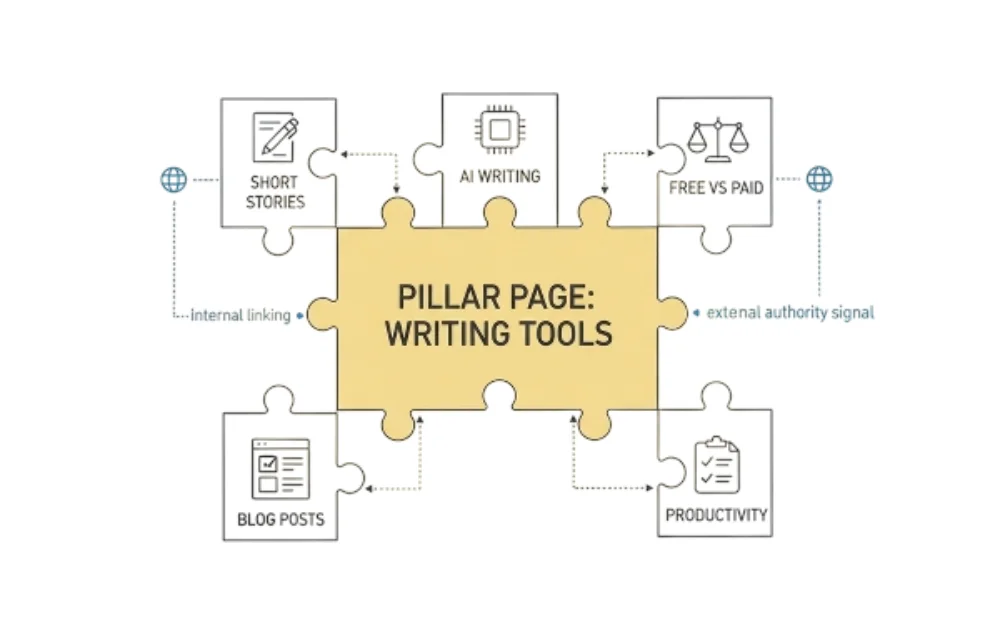
A pillar page addresses a broad topic, while related subtopics are pinned around your content to support the main page. This method helps identify several instances where your site can target 50,000 keywords organically. In contrast, pages without clusters often 90% fail to rank despite relevant and authority sources.
Must-Do #5: Earn Trust Signals Without Risky Link Building
For a new website of around 8 to 10 pages, it’s smarter to create relevancy as much as you can through content marketing and rich content rather than chasing lots of backlinks. This approach builds trust signals naturally and helps protect your website from toxic links.
Why Most Link Building Advice Fails New Websites
Many guides suggest aggressive link building, but for new sites, this can be dangerous. Think about it: blindly following “get lots of links” advice often leads to toxic links that harm rankings. What professionals say is to focus on relevance first, because links alone don’t guarantee you can rank webpages.
Safe Link Strategies for Brand-New Sites
Instead of risky shortcuts, leverage strategies that add extra value: guest contributions, resource mentions, or citations from relevant and authority sources. Ask yourself “Do I need backlinks?” For early sites, small, safe links combined with rich content are enough to earn trust signals and slowly grow credibility without risk.
Realistic Ranking Timeline: What to Expect & When
For new websites, understanding the timeline is a must-know because your chances of ranking on top heavily depend on how much value your pages deliver. More value = more visibility, especially when your relevant content helps Google understand what is useful during early crawling. This phase is very challenging, but it sets the foundation for long-term growth.
What Can Rank in 30 Days
Pages targeting 100+ monthly searches with a very specific type of content can sometimes get ranked on first page quickly. Many of you think rankings take years, but clear intent matching helps Google understand how they should surface your page, including eligibility for AI overview summaries.
What Usually Ranks in 90 Days
By 90 days, high-value pages with 1000+ words and focused SEO terms typically start moving toward top five on Google positions. It means Google has collected enough data on engagement and relevance to show your page more confidently, sometimes pulling sections into AI overview results.
When Page-One Rankings Become Predictable
After 4–6 months, how they interact with users, CTR, and backlinks help make your chances of ranking on top more predictable. Pages that consistently answer queries, provide examples, and already show engagement patterns usually maintain stable first-page visibility.
Wrapping Up: Can a New Website Rank on Google’s First Page?
Yes, a new website can absolutely earn its way to Google's first page, but that outcome hinges on consistency, not clever shortcuts. When your content stays connected, genuinely useful, and built around what real users actually need, it builds your credibility and earns you a place in the search results.
Top rankings are never easy to win, but the best approach is simple: replace guesswork with good SEO strategy, and keep refining what already works. Stay patient, stay focused, and the results will follow.